22/05/2026 - Blog post
The growing convergence of cybersecurity and physical security
Why separation no longer works
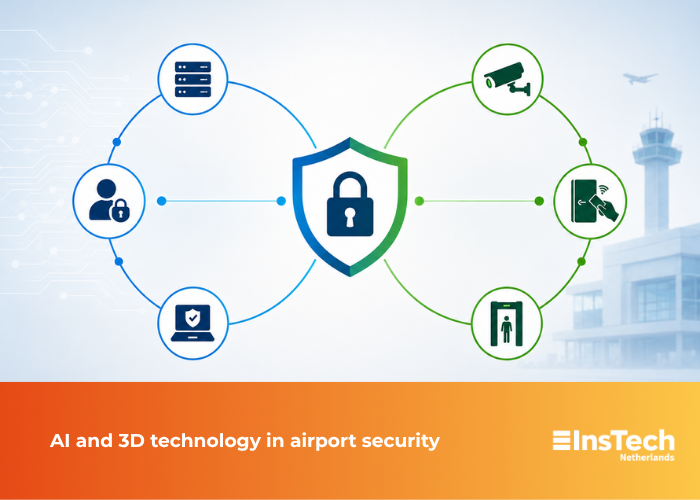
The traditional separation between physical security and cybersecurity is no longer practical. In the past, physical security focused on controlling people, goods, and access points, while cybersecurity focused on protecting networks and systems. Today, these functions influence each other directly.
A physical security system may still look like a standalone product, but in practice it depends on digital processes. User permissions, software settings, data storage, remote diagnostics, analytics, and platform integration all affect how that system performs. When physical and cyber security are managed separately, gaps appear between ownership, visibility, and response. Those gaps can slow down operations, reduce system reliability, and make incidents harder to detect and resolve.
The real necessity is operational continuity
The strongest reason these two security domains must come together is operational continuity. Security systems are not only installed to detect threats. They are also expected to remain available, accurate, and effective throughout daily operations. In high-security environments, that reliability is essential.
If a scanner cannot communicate properly with its platform, operators lose efficiency and if access control is digitally disrupted, secure areas become harder to manage. These failures may begin in the cyber layer, but the consequences are physical and operational. That is why the two domains can no longer be treated as separate responsibilities. They protect the same process: the uninterrupted functioning of security operations.
Where cyber and physical security meet in practice
The connection becomes clear in modern inspection technology. A body scanner depends on more than detection performance alone. It also relies on software reliability, controlled access, and integration into the wider checkpoint workflow. The same applies to a hand baggage inspection system, where imaging quality must be supported by stable system performance and efficient operator interaction.
More advanced technologies such as CT inspection systems and AI inspection systems strengthen this connection further. These solutions improve threat detection and support faster decisions, but they also depend on secure integration and stable digital workflows. As inspection systems become smarter, the link between cyber and physical security becomes stronger.
Why this matters for InsTech Netherlands
For InsTech Netherlands, this development changes how security technology should be evaluated. It is no longer enough to ask whether a product detects threats effectively. It is also important to ask how well it fits into the larger operational environment. Reliability, integration, access control, usability, and continuity now matter just as much as raw detection performance.
Contact InsTech Netherlands for a product demo or reach out for customized security solutions that support both physical inspection and secure operational continuity.